

W. BILL – FROM COUNTRY TWEEDS TO THE ART OF BRITISH TAILORING
British Textile Heritage Since 1846
Founded in 1846 in the town of Mold, Wales, W. Bill began as a business established by William Bill, specialising in flannel fabrics and woollen blankets. As tweed gained popularity among the British upper classes in the late 19th century, the next generation brought the company to London in 1892, marking a new chapter in its history as a supplier of fine tailoring fabrics.
Tweed and British Country Style
The reputation of W. Bill fabrics is closely connected to British country dressing, where clothing has long been chosen to suit the climate and the demands of outdoor pursuits. With its richly textured surface, nature-inspired colours and insulating properties, tweed became a familiar choice for jackets and garments worn for hunting, horse riding and leisurely walks through the countryside. Patterns such as herringbone, checks and windowpane also became defining elements of traditional British tailoring.
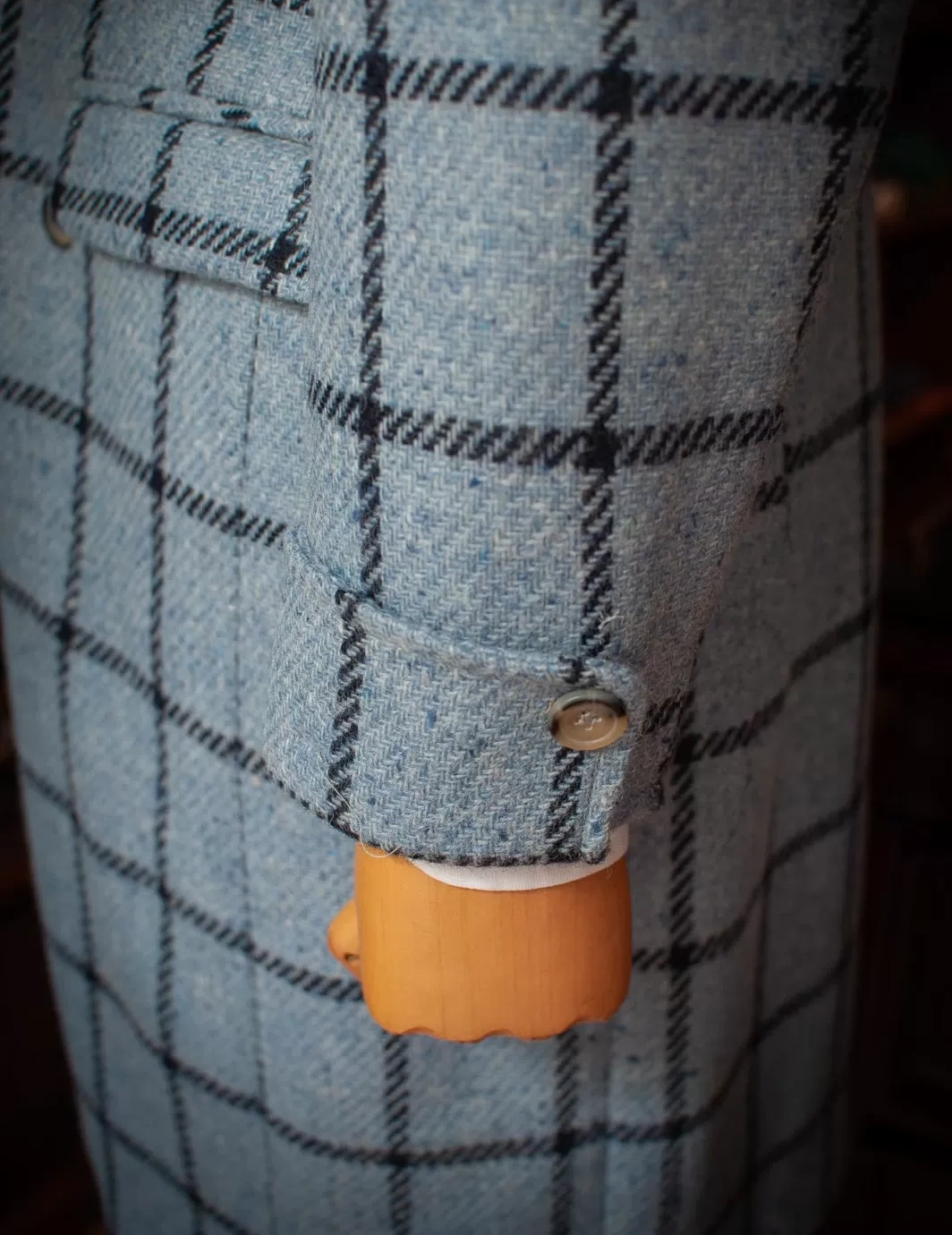
W. Bill’s story extends well beyond the world of fashion. Explorer Ernest Shackleton wore woollen garments from the house during his Antarctic expedition, while Edmund Hillary wore W. Bill wool clothing on his historic ascent of Mount Everest in 1953. Artist Pablo Picasso also owned a jacket made from the house’s fabrics. These connections reflect W. Bill’s presence in both cultural life and the history of exploration.
W. Bill Fabrics in Bespoke Tailoring
Today, W. Bill is known for its fine tweed, cashmere and flannel fabrics, alongside collections such as Shetland Tweeds and Fine Irish Linens. Shetland tweed typically features a rustic texture, substantial weight and defined structure, making it particularly suitable for jackets worn in cooler weather. Irish linen, by contrast, offers a lighter alternative, with a natural texture well suited to more relaxed tailoring.
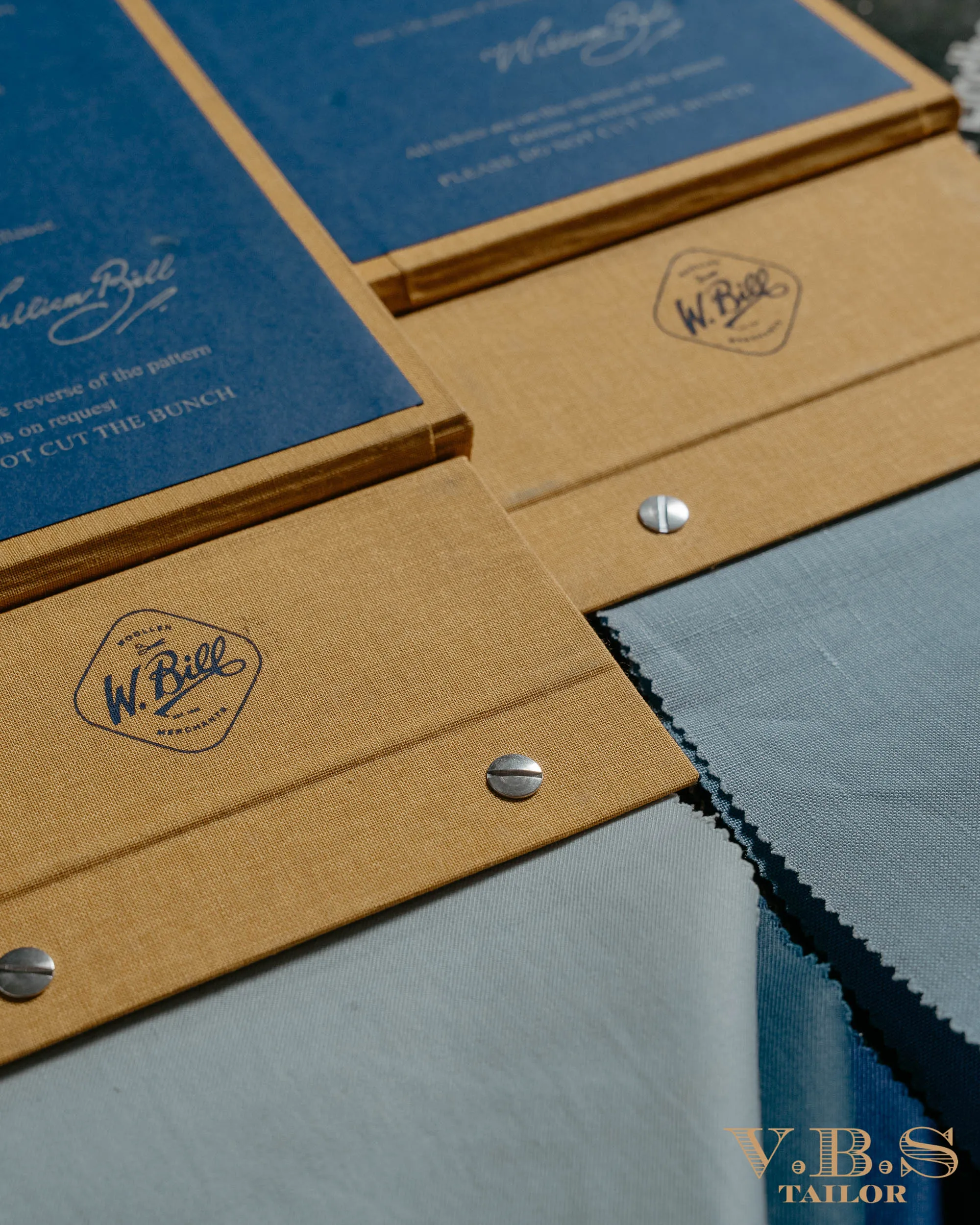
In bespoke tailoring, the weight, thickness and weave of W. Bill tweed fabrics are essential considerations. For example, certain Shetland Tweeds weigh approximately 390g, making them more appropriate for cold-weather jackets than for garments intended for regular outdoor wear in Vietnam. Lighter fabrics may be preferable in warmer climates, while patterns and colours should also be selected according to the occasion and intended use.
At VBS Tailor, W. Bill fabrics offer a distinctive perspective on traditional bespoke clothing. From richly textured tweed jackets to more relaxed tailored pieces, every fabric is carefully considered in relation to the wearer’s physique, lifestyle and personal aesthetic.
